Turn your living room TV into a hands-free video portal
A 55″+ TV at home and still squinting at small phones or laptops? CallOnTV harnesses the power of Raspberry Pi (Pi 500 or Pi 5), HDMI-CEC automation, and Google Meet to bring life-sized, crystal-clear video calls to your living room.
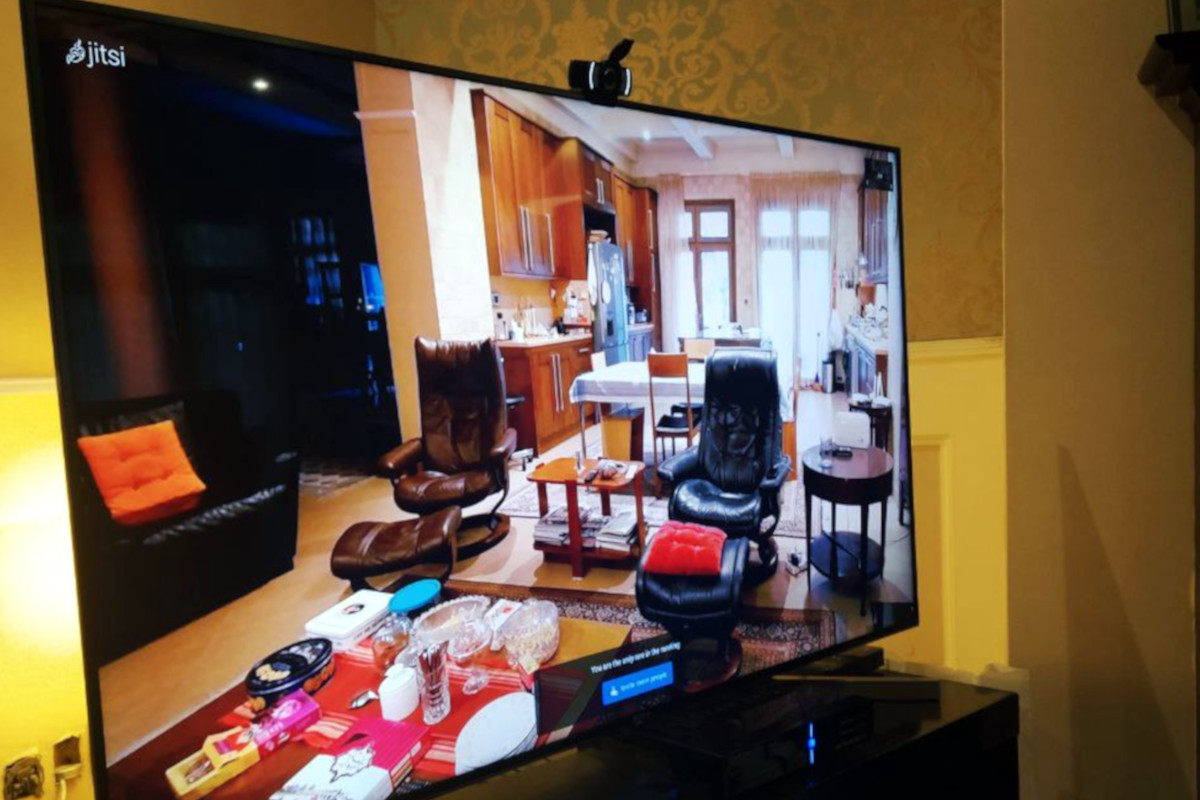
Automatic Power & Switching
With HDMI-CEC integration, your TV automatically wakes from standby and switches to the correct HDMI input when a call starts. No need to hunt for remote controls.
Ideal for Parents & Elders
Designed with zero technical friction. Elderly parents or family members do not need to operate small touchscreens or remember logins—it just works right on their television.
Truly Hands-Free Calling
Never hold a phone up to your face again. Relax on the sofa, cook dinner, or play with kids while enjoying crystal-clear room audio and a wide 90° living room camera view.
Standard Google Meet Quality
Utilizes Google Meet inside hardware-accelerated Chromium on Raspberry Pi OS. Anyone with a phone, laptop, or Google account can connect to your TV instantly.
100% Private & Open Source
Runs entirely on hardware you own in your living room. No proprietary cloud tracking, subscription fees, or vendor lock-in. Full control over your setup.
Ultra-Low Power Usage
Consumes only ~4W in idle standby mode and ~11W during active HD video calls. Keep it running 24/7 as an always-ready communication appliance for pennies a month.
Quick Start Guide
Three simple steps to build your living room video terminal
Get the Hardware
Pick a Raspberry Pi 500 (integrated cooling) or Pi 5, a Logitech MX Brio 90° FOV webcam, a microHDMI cable, and check your TV for HDMI-CEC support.
View Hardware Guide →Install Software
Flash Raspberry Pi OS Bookworm 64-bit, configure display and HDMI-CEC utilities (`cec-utils`, `wtype`), and set up the `/usr/local/bin/tv` automation daemon.
View Software Guide →Automate & Call
Install the CallOnTV Chrome extension to automatically join your scheduled Google Meet sessions and enjoy seamless hands-free calling.
View Extension Guide →